The original Chelsea Park meadow created in 2023 is a success, providing pollen, nectar and habitat for a greatly increased variety of insect life compared to the previous park grass. The creation of this meadow was supported by people who were excited to see projects in the park to help nature and since then, many have let us know how much pleasure it brings to them. A meadow, once created and established, is a low maintenance way of boosting biodiversity in the park. Despite the heat and drought in the summer of 2026, the original meadow was not watered and grew well. Meadows are usually cut in the autumn, with the cuttings removed in order to keep the meadow low in nutrients and that is the extent of the maintenance.
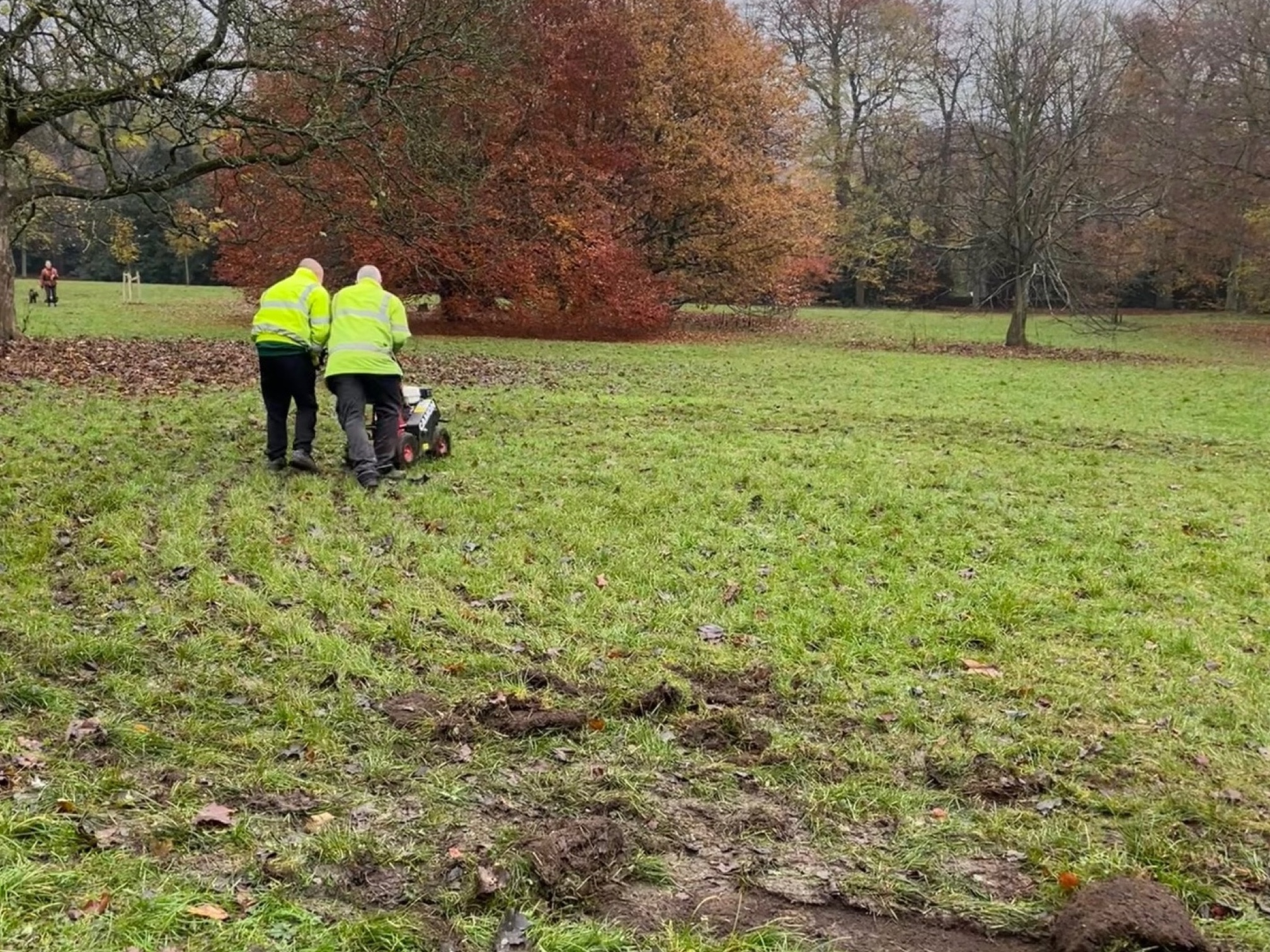
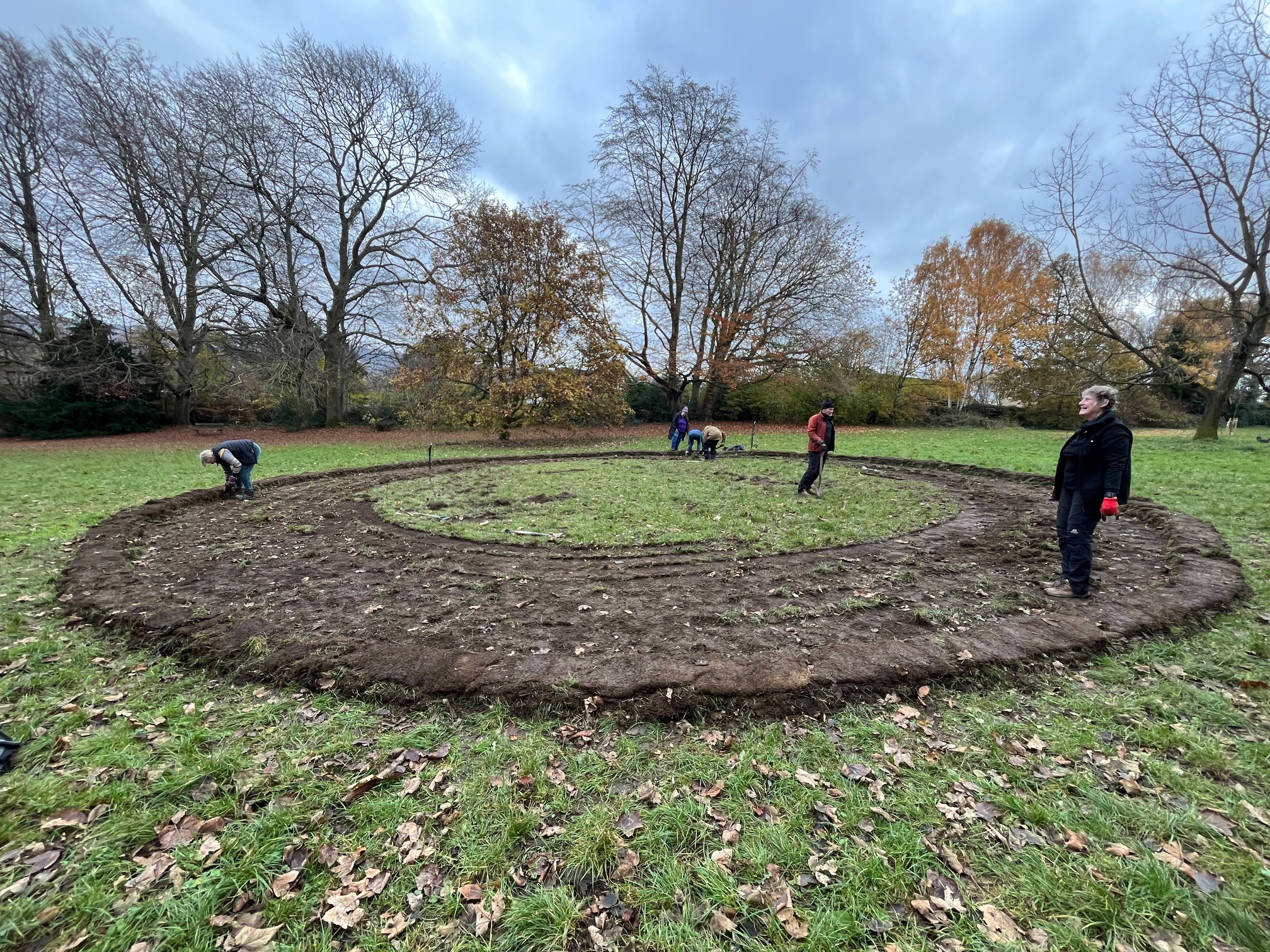
Adding a new meadow area to Chelsea Park will boost biodiversity, help nature and bring more pleasure to people. The area for the new meadow was chosen carefully, our group observed which areas are used the least and in what way. The area chosen is on part of a slope which has in the past been left as long grass. The new meadow is circular and positioned away from the trees for maximum sunshine. The turf was used to create a slight mound or ‘bund’ around the perimeter, so that the area is distinguishable from the surroundings for people, dogs and the council mowers. We hope that this new meadow will not need to be fenced off. Once it has become established, a path down the centre will enable people to walk through it and enjoy it closely.
An experiment
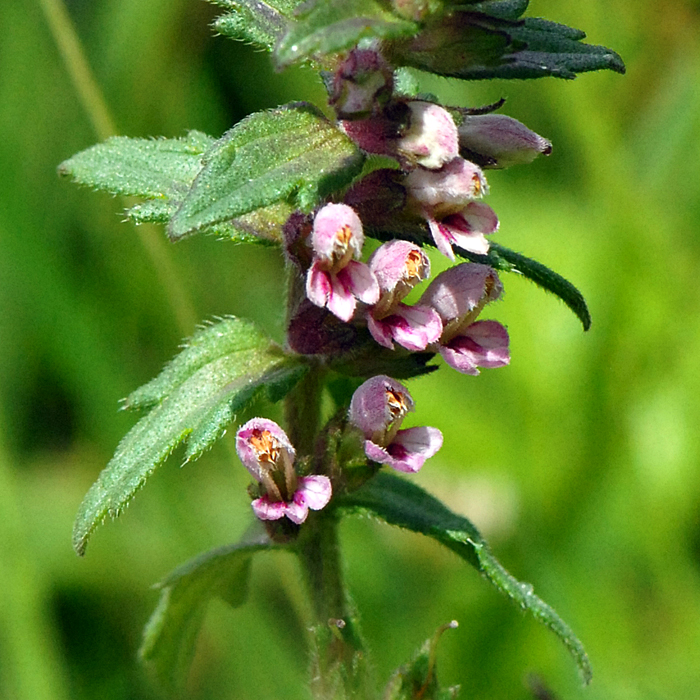
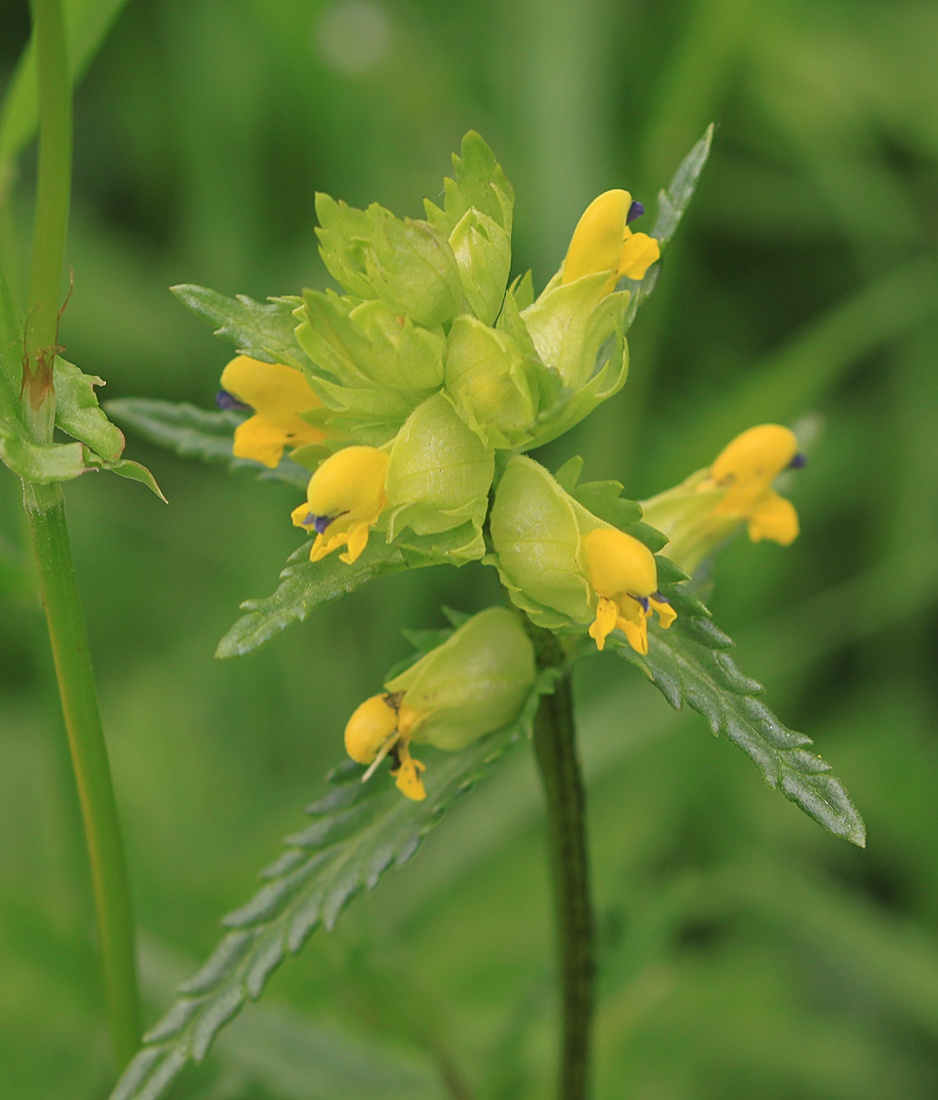
The path will divide the circular area in two and an experiment in wildflower mix will be created between the two sides. The experiment is to trial the relative success of two hemiparasitic plants: Yellow Rattle (a commonly used species) and Red bartsia, (a more locally regional species). In meadows hemiparasitic plants can weaken vigorous grasses by drawing water and nutrients from them, which allows more light and space for other wildflowers so they can establish and thrive. Divided in two by the path, Yellow Rattle is seeded on one side and Red Bartsia on the other. The results, which will take some time, will potentially show which hemiparasitic plant is more successful for the soil and geography of the location, which will be useful information for those creating other wildflower meadows in and around Sheffield.